






















Skip to content

Talent gets noticed.Execution gets recruited.

Executive performance coaching for high-academic baseball and softball student-athletes, and the parents who invest in them. Watch how 1:1 advising works.

Watch · 1:50

Application-only. Each advisor carries a capped roster, and a parent attends every evaluation call.

Coach Skinner's credentials

  • NSCA Certified Strength and Conditioning Specialist
  • ICF-ACC Executive Coach
  • Mental Performance Mastery
  • NESTA Certified Sports Psychology Coach

Every family gets an operating brief.

The Anchor Assessment scores your athlete across four areas: academic and athletic baseline, mental performance and state control, executive functioning and consistency, and recruiting architecture.

Your advisor turns that into one plan and tracks it with you, pillar by pillar, every month.

Most families run recruiting on guesswork.

The landscape is opaque and it keeps changing: roster limits, the transfer portal, shifting timelines. These four beliefs cost families the most.

  • Myth

    “Our club coach handles recruiting.”

    What's true

    Club coaches manage 15 to 25 players and a weekend schedule. Nobody is running your athlete's individual plan: academics, outreach, and positioning.

  • Myth

    “Positive thinking is how you handle pressure.”

    What's true

    Forced positivity creates friction under pressure. Neutral thinking relies on facts and execution, and it can be trained like any other skill.

  • Myth

    “Mental coaching is soft.”

    What's true

    It's engineering for high-pressure execution. Physical talent gets an athlete noticed. Composure and systems decide who earns the roster spot.

  • Myth

    “We can figure it out ourselves.”

    What's true

    You can, the same way you can do your own taxes. Doing it alone means learning through expensive mistakes: the wrong schools, the wrong timeline, a lost year.

Here's what you're actually working with.

Not to scare you. To make sure the effort and the money you're already spending are pointed at a plan, not guesswork.

  • What families already spend per year on travel baseball, before any recruiting or advising support.

    Anchor doesn't add another bill. It makes sure the one you're already paying is working toward a roster spot.

    Youth travel baseball cost analysis, 2026

  • When many Division I coaches can first start contacting recruits directly. It varies by sport, but it's earlier than most families expect.

    That's exactly why freshman and sophomore year is when we build the operating system, not when recruiting starts.

    NCAA recruiting calendar

  • How much more often a personalized message to a college coach gets opened, compared to a generic one.

    Exactly why we teach your family how to reach out well, instead of blasting coaches on your behalf.

    College recruiting outreach research, 2026

  • Former Division I and college-level players and coaches, each carrying a capped roster so no family gets lost in the numbers.

    You're not getting a course. You're getting a person who answers when you call.

    Anchor team

None of this comes down to talent. It comes down to whether the effort has a plan behind it.

College placements

Where Anchor athletes have gone.

Anchor athletes have gone on to 80 colleges, from the Ivy League and service academies to junior college programs. Every path was built around the athlete, not a template.

  • University of Pennsylvania
  • Cornell University
  • Dartmouth College
  • Johns Hopkins University
  • University of Chicago
  • Northeastern University
  • Army West Point
  • U.S. Merchant Marine Academy
  • University of Washington
  • Gonzaga University
  • William & Mary
  • University of San Francisco
  • Washington State University
  • University of Portland
  • Seattle University
  • Marshall University
  • Campbell University
  • University of Northern Colorado
  • Northern Kentucky University
  • SIUE
  • Saint Peter's University
  • Brandeis University
  • Colorado School of Mines
  • Claremont-Mudd-Scripps
  • Pomona-Pitzer
  • Occidental College
  • Oberlin College
  • Trinity University
  • St. Olaf College
  • Whitman College
  • University of Puget Sound
  • Cal Lutheran
  • Embry-Riddle

Logos are trademarks of their respective institutions, shown to indicate where Anchor athletes enrolled. They do not imply endorsement. Past placements do not guarantee future results.

We train student-athletes to operate like executives.

The discipline, clarity, systems, and emotional control of a high-level executive, applied to high-pressure competition and a high-stakes recruiting process.

  • Not a pay-to-play recruiting broker.
  • Not a clinical sports psychologist.
  • Not a hands-off online course.

One operating system. Four pillars.

Every Anchor athlete works across all four, so mindset, daily systems, school, and recruiting stop competing for the same hours.

Mental Performance

Focus, confidence, and composure under pressure, trained with the same rigor as physical work.

  • Pressure and focus routines
  • Neutral-thinking training
  • One-on-one mental skills work
  • Ongoing performance check-ins

Player Systems

Daily systems for training, development, and recovery, so progress doesn't depend on motivation.

  • Skill and performance assessments
  • Long-term development roadmap
  • Daily and weekly routines
  • Recovery and workload planning

Academics

Grades and school fit treated as part of recruiting, because the right school starts in the classroom.

  • Academic accountability
  • Time-management systems
  • High-academic school fit
  • Testing and eligibility planning

Recruiting Roadmap

Speed and clarity through an opaque process, from the first profile to the final decision.

  • Profile and highlight strategy
  • Coach outreach and communication
  • Offer and timeline navigation
  • Family decision support

From application to commitment.

A parent attends the evaluation call. It's where the plan becomes a family decision.

  1. 1

    Apply

    The application assessment covers your athlete's goals, academics, and timeline.

  2. 2

    Discovery or evaluation

    A 15 to 30 minute discovery call, or a 60-minute evaluation for strong fits.

  3. 3

    Program review

    We walk your family through the plan and, if it's right, offer a roster spot.

  4. 4

    Custom roadmap

    One plan across mental performance, player systems, academics, and recruiting.

  5. 5

    Monthly strategy

    A 30 to 60 minute strategy call every month, with guidance between calls.

  6. 6

    Recruiting execution

    Outreach, evaluations, and decisions, all the way through commitment.

1:1 advising is built for a specific athlete.

A strong fit

  • A high-academic sophomore or junior, with at least a 3.0 GPA
  • A legitimate, projectable baseball or softball player
  • Coachable, and wants help doing this the right way
  • Parents who are engaged, attend the evaluation, and are ready to invest

Not the right fit

  • Families looking for a pay-to-play shortcut
  • Athletes who aren't open to being coached
  • Parents who want to stay out of the process
  • Below a 3.0 GPA, for now

Not a fit for 1:1 yet? The Anchor Academy welcomes every committed athlete ages 12 to 18. See the Academy

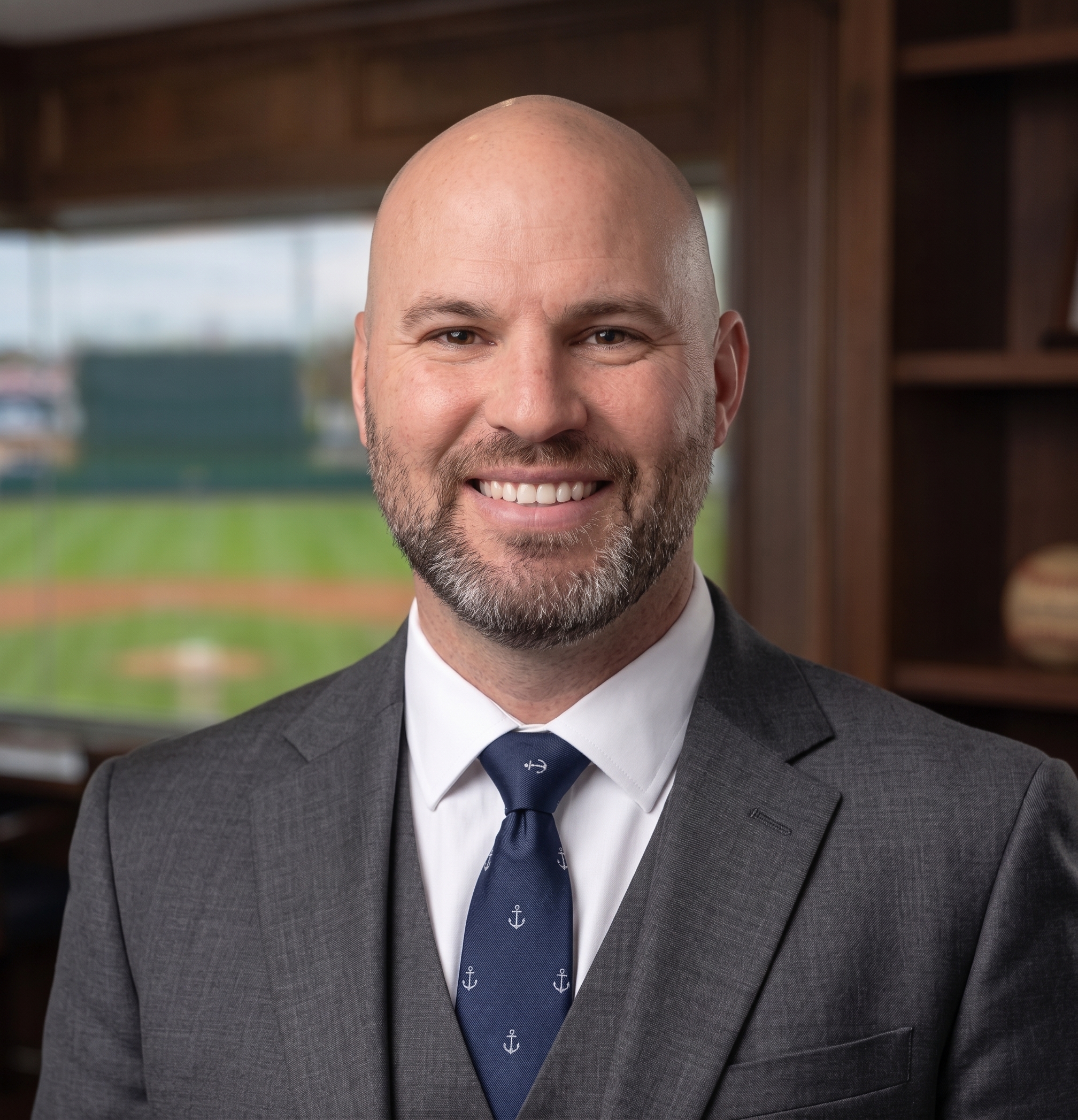
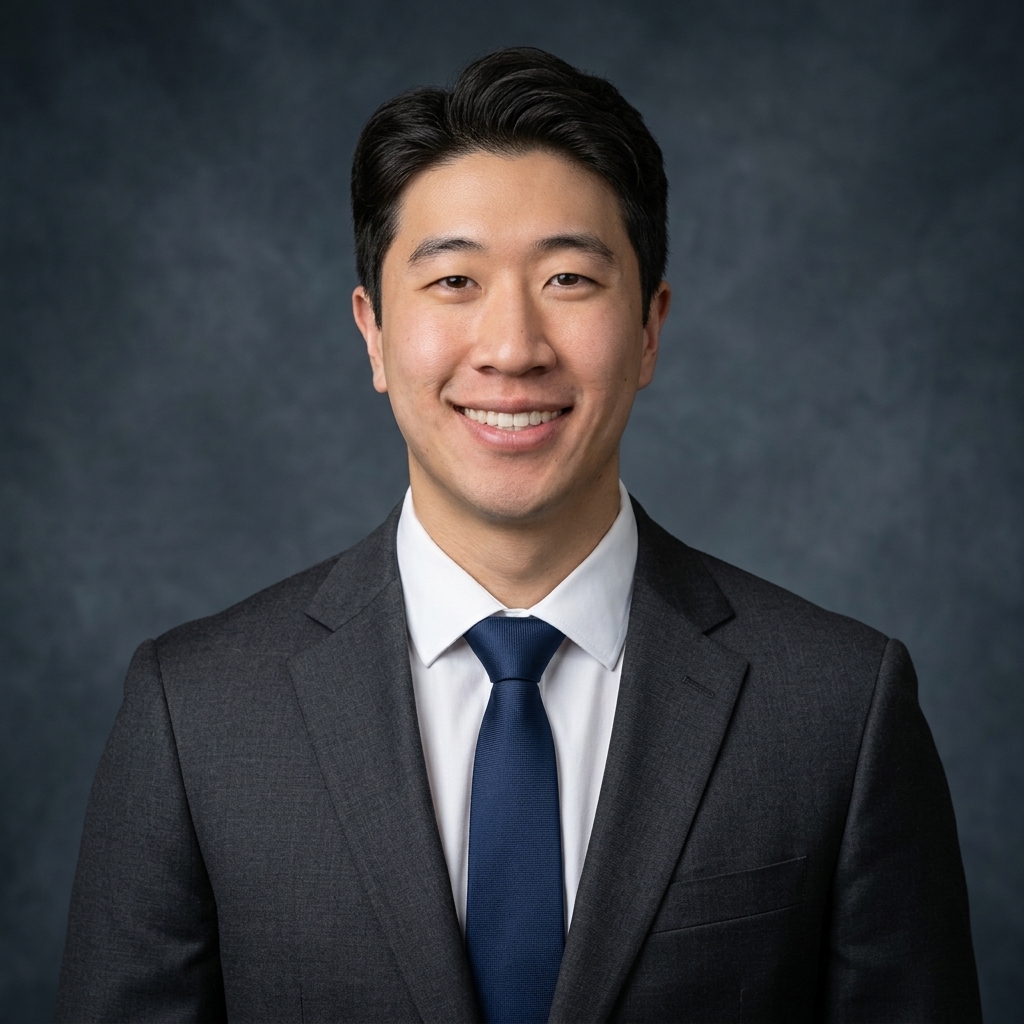
Coach Kyle Skinner

Coach Kyle Skinner

Founder & Head Performance Advisor

Kyle spent eight seasons as varsity head baseball coach at Interlake High School, fifteen years coaching and running select club programs, and three years as a Director of College Baseball Advising before founding Anchor. He played shortstop at Sammamish High School (All-KingCo) and Valley City State University (All-DAK, team captain). The name says what he coaches: stability and composure when the stakes are highest.

8 seasons
Varsity head coach
15 years
Select club coach and GM
3 years
Director of college baseball advising

The advisory team

Meet the full team
  • Matt Johnson

    Matt Johnson

    Head coach, Eastlake HS. Played Division I at Georgetown.

  • Ryan Sells

    Ryan Sells

    Head coach, Mountlake Terrace HS. NAIA All-American.

  • Caleb Cox

    Caleb Cox

    Head coach, Doherty HS. Placed 75+ athletes as a recruiting advisor.

  • Jason Linn

    Jason Linn

    Former Kansas State pitcher. 15-year sales career.

  • Kyle Wu

    Kyle Wu

    Academic All-American finalist. Full scholarship at Indiana Wesleyan.

Three ways to work with Anchor.

Start with a workshop, build habits in the Academy, or apply for a dedicated advisor.

1:1 Advising

Application only

roster spots capped per advisor

A dedicated advisor and a custom roadmap, typically for 12 months or through the recruiting window.

  • Your own performance advisor
  • Academic and athletic evaluations
  • End-to-end recruiting roadmap and positioning
  • Monthly 30 to 60 minute strategy call
  • Full Academy and app access

Foundations Workshop

$47

one time, on demand

The entry point. The mental performance fundamentals behind Anchor's approach, for athletes and parents.

  • Watch on your own schedule
  • The Anchor fundamentals, explained
  • Clear next steps for your athlete

Anchor Academy

$197

per month, cancel anytime

Group coaching and a structured curriculum across all four pillars, for athletes ages 12 to 18.

  • Bi-weekly live strategy calls and office hours
  • Curriculum modules across the four pillars
  • The Anchor MPC app: portal, habit trackers, community

Compare programs in detail

What parents ask first.

When should an athlete start?
Grades 9 and 10 build foundational systems and academic alignment. Grades 11 and 12 focus on execution, targeted outreach, and roster placement. The Academy serves athletes 12 to 18.
How is Anchor different from our club team's recruiting efforts?
Your club gets your athlete in front of scouts while managing 15 to 25 players. Anchor is your family's dedicated advisory office: academics, positioning, college communication, and the mental systems to execute when scouts are watching.
Can parents be involved?
They have to be. Parents attend the evaluation call and stay informed and aligned throughout.
Is placement guaranteed?
No. No one can honestly promise a commitment or a scholarship. We provide the plan, the composure, and the execution that give your athlete the best shot at the right fit.

All questions

Build your athlete's operating system.

Take the application assessment. We'll tell you honestly whether 1:1 is the right fit.

Take the application assessment